|
The first settlers of African origin started arriving in Trinidad in steady numbers in the late 18th century. The cultural influence of French Creole slaves and those arriving direct from Africa was a key factor in establishing their own syncretic Afro-French culture in Trinidad. Today the African influence is still present in music, dance, food, religion, language, handicraft and place names in T&T.
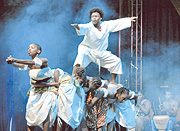 While it is generally known that the French brought Carnival celebrations to Trinidad when they came in the 18th century, there are certain aspects of carnival that can be traced to Africa. For example, the Egungun festival of Nigeria is reminiscent of the revelry, pantomime, street parades music and masking that are seen in Trinidad and Rio de Janeiro carnival. Africans portray masks in their ceremonies, dances and festivals. The moko jumbie (stilt walker) and devil portrayal, and even the hat worn by the midnight robber are similar to characters played during the festival of
Egungun. While it is generally known that the French brought Carnival celebrations to Trinidad when they came in the 18th century, there are certain aspects of carnival that can be traced to Africa. For example, the Egungun festival of Nigeria is reminiscent of the revelry, pantomime, street parades music and masking that are seen in Trinidad and Rio de Janeiro carnival. Africans portray masks in their ceremonies, dances and festivals. The moko jumbie (stilt walker) and devil portrayal, and even the hat worn by the midnight robber are similar to characters played during the festival of
Egungun.
Calypso rhythms can be traced back to the arrival of the first African slaves brought to work in the sugar plantations. Forbidden to talk to each other, and robbed of all links to family and home, the African slaves began to sing songs. They used calypso, which can be traced back to West African kaiso, as a means of communication and to mock the slave masters.
Folklore too has a deep African connection, flavoured with French and to a lesser degree, Spanish and English influences. In keeping with African traits, the picture is full of colour and decorated with a wealth of detail. Religious or semi-religious cults of African origin have undoubtedly contributed much to the Island's folklore; many of the supernatural folklore figures possess characteristics which are identical with those of African deities.
|