

FIZZ WARS INTENSIFY
Fresh investments by Indian and African billionaires are reshaping Africa’s soft drinks industry as regional manufacturing, aggressive pricing and consumer demand fuel a new era of beverage competition across the continent.
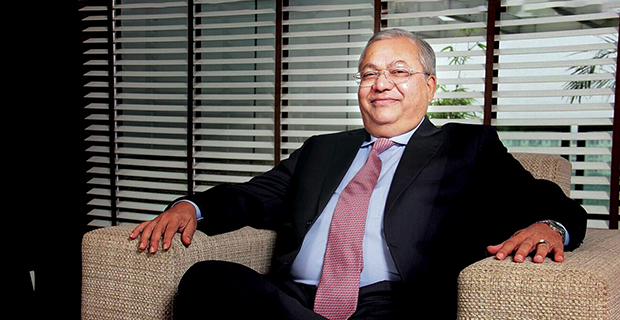
Africa’s fast-growing consumer market is becoming the latest battleground for the global soft drinks industry, with billionaires from India and East Africa pouring nearly $100 million into new beverage manufacturing projects aimed at challenging the long-standing dominance of Coca-Cola and Pepsi across the continent.
In one of the most significant India-linked investments in Africa’s beverages sector this year, Indian billionaire Ravi Jaipuria, popularly known as India’s “Cola King”, has opened a $40 million snacks, juice and dairy manufacturing complex in Zimbabwe through Varun Beverages, PepsiCo’s largest franchise bottler outside the United States. The new facilities include a Cheetos production line and juice and dairy blend plants, strengthening the company’s footprint in Southern Africa.
The Zimbabwe expansion forms part of a far bigger African strategy being pursued by Jaipuria’s empire. Varun Beverages recently completed a $125 million acquisition of South African beverage producer Twizza through its subsidiary BevCo, giving the Indian conglomerate deeper access to the region’s highly competitive consumer drinks market. The company is also establishing operations in Kenya to support future manufacturing and distribution activities across East Africa.
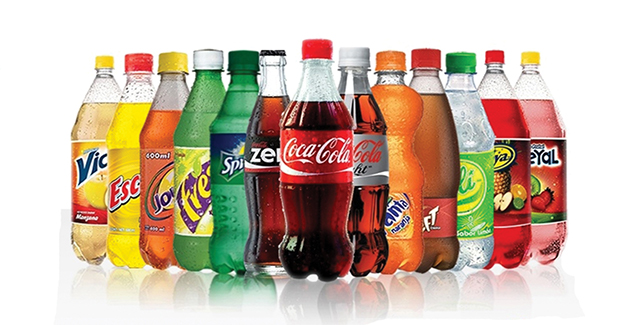
According to reports, Jaipuria has announced plans to invest nearly $650 million in Zimbabwe over the next five years, spanning beverages, renewable energy, recycling and related sectors. The expansion underlines how Indian companies are increasingly viewing Africa not merely as an export destination, but as a long-term manufacturing and consumer growth hub.
At the same time, East Africa’s richest man, Tanzanian billionaire Mohammed Dewji, is launching his own direct challenge to global beverage giants through a planned $50 million soft drinks manufacturing plant in Mombasa, Kenya. Dewji’s conglomerate, MeTL Group, intends to use its fast-growing Mo Cola brand to aggressively compete against Coca-Cola and Pepsi in one of East Africa’s largest consumer markets.
What makes Dewji’s strategy particularly disruptive is pricing. Reports indicate that MeTL plans to sell 300ml bottles of Mo Cola at nearly one-third the prevailing market price of competing international brands, targeting mass-market consumers and lower-income households across the region.
Industry observers say these parallel investments signal a broader transformation in Africa’s beverage economy. Rising urbanisation, a youthful population, improving logistics infrastructure and expanding retail networks are making African markets increasingly attractive for large-scale food and beverage manufacturing. The continent’s soft drinks sector, once dominated almost exclusively by multinational Western corporations, is now witnessing the emergence of powerful regional and Asian challengers.
For India Inc., the trend also reflects a wider strategic shift toward Africa-focused manufacturing partnerships. Companies are no longer limiting themselves to trade relationships, but are investing directly in production facilities, local supply chains and employment generation across African economies.
As competition intensifies, Africa’s soft drinks market is beginning to resemble a giant carbonated chessboard, with billionaires, bottlers and brands racing to capture the loyalty of a young and rapidly expanding consumer base.
Related News.
-

September 2026 Beyond Four Walls
-

September 2026 Tewolde Takes Charge
-

September 2026 Minerals Drive Engagement
-
September 2026 APEDA Opens Global Doors

EDITOR'S DESK, Sep 2026
 Our cover takes us to Volcanoes National Park, where Rwanda recently hosted the 21st Kwita Izina, its annual Gorilla Naming Ceremony. Twenty-two baby mountain gorillas received their names, but the significance of the occasion went far beyond a celebration of wildlife...
more...
Our cover takes us to Volcanoes National Park, where Rwanda recently hosted the 21st Kwita Izina, its annual Gorilla Naming Ceremony. Twenty-two baby mountain gorillas received their names, but the significance of the occasion went far beyond a celebration of wildlife...
more...
Ads Spot

Comments.