

“India is rewarding, dynamic”
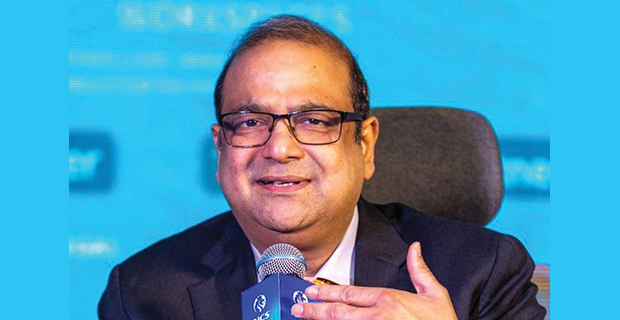
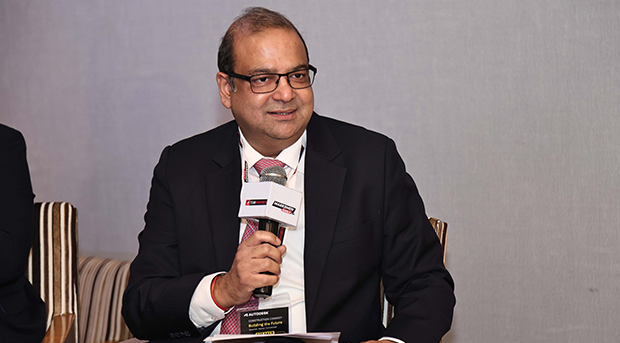
ESG and sustainability are non-negotiable for global investors. Is India ready to meet these expectations at scale?
India is making significant strides with green bonds, renewable targets, and corporate ESG frameworks. Overall, at the policy front, there have been consistent efforts to ensure sustainable growth, which are now paying off. For instance, India’s installed energy capacity has surged by 36% in the last five years, driven by a 122% expansion in new and renewable energy sources. This progress is positioning India as an attractive destination for sustainable investments. However, challenges remain in sector-wide adoption and standardisation. Scaling ESG-ready projects and embedding sustainability into core operations will be critical to meeting global expectations.
What structural reforms could unlock a fresh wave of investments into India?
Unlocking the next wave of investment into India will require a combination of regulatory, infrastructural, and trade reforms. Today, India’s competitiveness has improved meaningfully at several fronts. The recent labour reforms have simplified regulatory complexities, compliance burdens have reduced, and ease of doing business continues to improve, with faster approvals and clearer processes. Initiatives such as Gati Shakti and the National Logistics Policy are addressing long-standing infrastructure and coordination bottlenecks, leading to cost reductions. In parallel, states are increasingly competing for investments with tailored policies, while SEZ reforms are making capital flows more seamless.
Building on this progress, the next phase will require further streamlining of processes, deeper system-level integration and sustained efforts to further narrow India’s logistics costs. Besides, further strengthening infrastructure—particularly transport networks, energy connectivity, and urban logistics—will remove operational bottlenecks and improve global competitiveness. At the same time, accelerating trade reforms, particularly the reduction of non-tariff barriers and faster implementation of FTAs, will be critical to ease cross-border frictions and create a more seamless investment environment. Together, these measures would make India not only more integrated but also highly attractive for long-term, high-quality capital.
Are there emerging corridors or investment themes between India and the Gulf, ASEAN, or Africa that are underreported but promising?
Yes. India–Gulf: renewable energy, healthcare infrastructure, fintech.
India–ASEAN: digital commerce, supply-chain hubs, technology partnerships.
India–Africa: agri-tech, clean energy, urban development projects. These corridors remain underexplored relative to their long-term potential.
Multinationals often have misconceptions about India. What myths do they encounter, and what is the reality?
A common myth is that India is too complex to operate efficiently. In reality, with the right local partners and strategy, India is highly rewarding. Another is that costs are always lower; while labour is competitive, scaling quality operations requires investment. Success depends on long-term commitment, localisation, and adaptability.
Finally, on a personal note, what motivates you to lead KPMG India’s global engagement and international growth agenda?
What motivates me the most is the opportunity to help position India as a meaningful player in the global market while enabling seamless collaboration across geographies. What makes this role especially fulfilling is the strength of the teams we work with—Indian professionals who are highly skilled, outcome-oriented, and bring a strong resolution mindset to complex growth and operational challenges, regardless of geography. Working across countries also creates a richer perspective. Insights gained globally strengthen what we deliver domestically. Supported by a strong international network and continued investment in specialist capabilities and technology, as a firm, we are well placed to support global firms engaging with India as well as Indian multinationals expanding overseas, consistently and end-to-end.
Related News.
-

September 2026 Gorillas Find Names
-

September 2026 India–Kiribati Deepen Cooperation
-

September 2026 India, Ethiopia Deepen Defence Ties
-

September 2026 JAMAICA AT 64,TIES DEEPEN

EDITOR'S DESK, Sep 2026
 Our cover takes us to Volcanoes National Park, where Rwanda recently hosted the 21st Kwita Izina, its annual Gorilla Naming Ceremony. Twenty-two baby mountain gorillas received their names, but the significance of the occasion went far beyond a celebration of wildlife...
more...
Our cover takes us to Volcanoes National Park, where Rwanda recently hosted the 21st Kwita Izina, its annual Gorilla Naming Ceremony. Twenty-two baby mountain gorillas received their names, but the significance of the occasion went far beyond a celebration of wildlife...
more...
Ads Spot

Comments.