

Caribbean Indian Mosaic
On the islands of the Lesser Antilles, Indian communities—small in number but deep in history—have quietly woven their traditions into local culture while maintaining enduring connections with India.
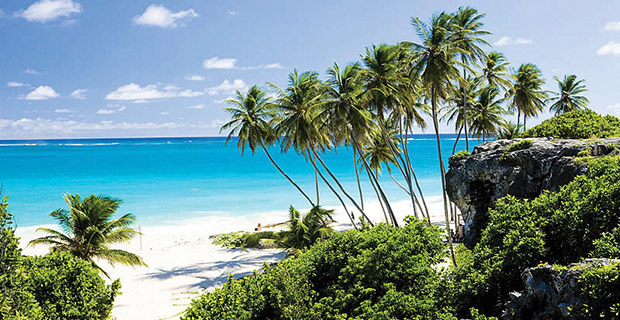
In the fragrant streets of Bridgetown, Barbados, the scent of cumin and cardamom mingles with the salty Caribbean breeze. Across the sunlit Lesser Antilles—from Jamaica and Barbados to Grenada, St Kitts & Nevis, St Vincent & the Grenadines, Dominica, St Croix, and the French islands of Martinique and Guadeloupe—small Indian communities quietly preserve their heritage, a living testament to journeys that began more than a century ago. Far from the bustling Indian populations of Trinidad, Guyana, or Suriname, these communities are dispersed, subtle, yet remarkably enduring.
Their persistence, despite remoteness and small numbers, reflects what Ashook Ramsaran, President of the Indian Diaspora Council, describes as a story of survival layered with influence. As he notes, “Despite their remoteness and relatively small Indian-origin populations, Indian-origin communities in the Lesser Antilles have survived through generations since their forebears came as indentured labourers on European-owned plantations. It is a mark of their resilience and determination to uphold Indian heritage, customs and traditions, while also shaping wider society through food, music, language, dance and religion.”
Empire, Indenture, and Arrival
The diaspora’s spread across these islands emerged from multiple European colonial labour systems in the nineteenth century, which turned to India after the abolition of slavery. The British recruited the majority of indentured workers from present-day Uttar Pradesh, Bihar, and Bengal, sending them to Jamaica, Barbados, Grenada, St Vincent, St Kitts, Dominica, and St Lucia.
Even where numbers were modest, cultural resilience was remarkable. Temples, music halls, and family rituals became anchors of identity, while culinary and religious traditions persisted quietly alongside local life.
The French brought Indian labourers to Martinique and Guadeloupe, largely from Tamil Nadu and Andhra Pradesh. Under France’s republican model, these communities became French citizens, blending into local society while preserving ritual, language, and cultural memory. The Dutch focused on Suriname, while the Danes had a minor role, particularly in St Croix, often indirectly via British labour circuits. The Portuguese had no significant Caribbean indenture programme but contributed to later secondary migration. These colonial vectors created a diverse and multilingual Indian Caribbean, each community shaped by imperial context, geography, and culture.
Related News.
-

September 2026 Gorillas Find Names
-

September 2026 India–Kiribati Deepen Cooperation
-

September 2026 India, Ethiopia Deepen Defence Ties
-

September 2026 JAMAICA AT 64,TIES DEEPEN

EDITOR'S DESK, Sep 2026
 Our cover takes us to Volcanoes National Park, where Rwanda recently hosted the 21st Kwita Izina, its annual Gorilla Naming Ceremony. Twenty-two baby mountain gorillas received their names, but the significance of the occasion went far beyond a celebration of wildlife...
more...
Our cover takes us to Volcanoes National Park, where Rwanda recently hosted the 21st Kwita Izina, its annual Gorilla Naming Ceremony. Twenty-two baby mountain gorillas received their names, but the significance of the occasion went far beyond a celebration of wildlife...
more...
Ads Spot

Comments.