

“We Need to Bridge the Gap”
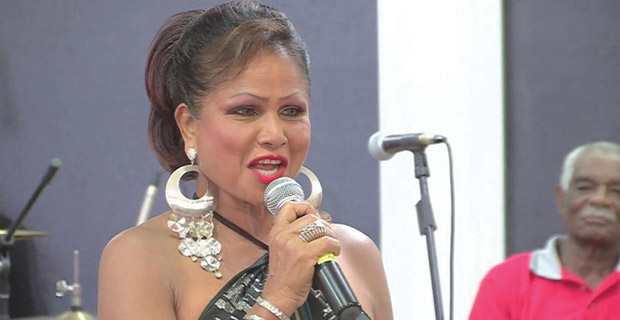
Drupatee Ramgoonai, the pioneering Trinidadian singer widely credited with helping popularise Chutney Soca, a musical form that blends Indian musical traditions with Caribbean rhythms.
Cricket has connected India and the Caribbean for generations. You are not only a cricket enthusiast but also helped oversee the development of the cricket stadium in Broward County, Florida. How can cricket contribute to closer ties between India and Trinidad and Tobago?
Cricket has been one of the strongest bonds between our countries. I have always played the game, and my involvement in the development of the Broward County stadium was a natural extension of that interest. Getting the ground certified by the International Cricket Council helped bring greater visibility to cricket in the United States.
I am impressed by the depth of interest in West Indies cricket in India. Indian supporters remember matches, scores and performances from decades ago. That enduring interest is a valuable connection.
We should use cricket more deliberately as an instrument of diplomacy. There is scope for greater cooperation between India and the West Indies, particularly in women’s cricket and grassroots development.
Sport brings people together across national, cultural and social boundaries. At a time when the world faces conflicts and divisions, cricket can create opportunities for shared celebration, understanding and friendship.
Its potential goes beyond the playing field. It can generate economic activity, encourage young people and contribute to international goodwill.
Cricket is one connector, but music is another. Trinidad and Tobago has developed distinctive musical traditions, including chutney, calypso and soca. How do these reflect the relationship between Indian heritage and Caribbean identity?
Chutney music is an important example of how our community adapted Indian traditions to its circumstances. Our ancestors brought cultural practices from India, but over time these evolved through interaction with other communities and musical forms.
Chutney is a Trinidad and Tobago creation. Its language, expressions and rhythms reflect our own experience. It is part of the cultural identity that developed in the Caribbean.
The exchange has also worked in the other direction. Musicians have blended Indian music with calypso and soca, producing forms that carry elements of both traditions. Some Caribbean compositions have subsequently found audiences in India.
Our steelpan is another remarkable example of creativity. Developed from discarded oil barrels, it has become an internationally recognised instrument capable of playing a wide range of music, from Indian melodies to Western classical compositions.
These cultural exchanges demonstrate how communities can preserve their heritage while creating something new. They are a source of pride for Trinidad and Tobago and an important bridge to India.
Related News.
-

November 2026 Trinidad Eyes Indian Trade
-

November 2026 “Business Needs Cultural Connection”
-

November 2026 REPORT URGES DURABLE TIES
-

November 2026 ENVOYS DISCUSS PANAMA TIES
India Empire TV


EDITOR'S DESK, Nov 2026
 A relationship between nations is rarely built on a single summit, agreement or trade figure. It takes shape over generations: through the movement of people, the exchange of ideas, the trust created by diplomacy and the practical partnerships that improve lives. This November issue of India Empire explores that wider canvas of India’s engagement with the world...
more...
Ads Spot

Comments.