

A NEW CHAPTER
Beyond the Photograph
There is a long list of practical gains that a more functional relationship could deliver. Better transport links can reduce costs for businesses and open routes to wider regional markets. Reliable energy cooperation can help industry and households. Predictable visa arrangements can make it easier for students, patients, tourists and business travellers to move between the countries. Trade discussions can identify barriers that have persisted despite the natural advantages of proximity.
But progress will require reciprocity. India will need to hear Bangladesh’s concerns on water, trade and the balance of benefits in existing arrangements. Bangladesh will need to address Indian concerns about security and ensure that bilateral differences do not become excuses for hostility. Neither country can expect the other to accept every demand; both can benefit from a process that produces concrete, verifiable outcomes.
The agenda is substantial. Connectivity, energy cooperation, border management, water-sharing, visa and travel issues, and the treatment of each country’s security concerns all require sustained attention. The Teesta water question remains particularly sensitive in Bangladesh, while India has concerns of its own about cross-border security and the wider regional balance.
The relationship must also accommodate political realities. India’s position on Sheikh Hasina remains a contentious issue in Bangladesh, while New Delhi will want assurances that its security interests and the safety of communities on both sides of the border are taken seriously. These are difficult subjects, but avoiding them would leave the relationship vulnerable to the next crisis.
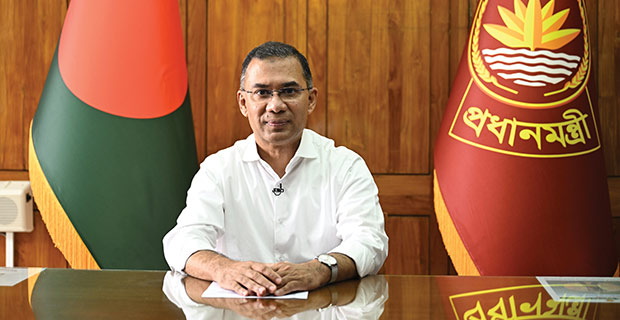
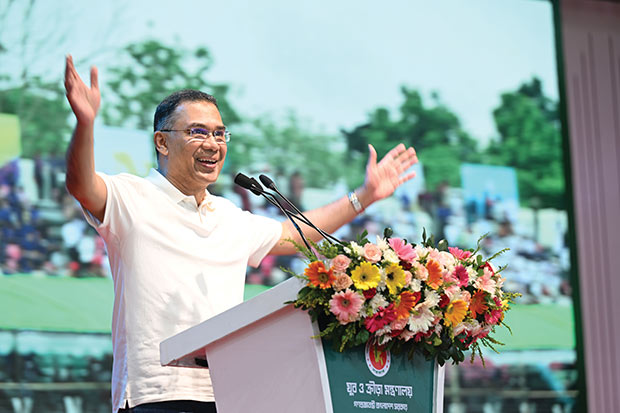
In a visible outreach to Bangladesh’s Hindu community, Prime Minister Tarique Rahman visited Durga Puja celebrations and called for people of all faiths to work together in building the country. Addressing a Sharadiya greetings programme at the Radha Gobinda Dharmasabha Temple in Rangpur on October 20, he said Bangladesh belonged equally to Muslims, Hindus, Buddhists and Christians. He also recalled the unity displayed during the 1971 Liberation War and subsequent movements for democratic rights. The visit, accompanied by a message of equal rights and peaceful coexistence, placed religious inclusion firmly within his public appeal for national unity. The significance of that message will ultimately be measured by how consistently equal citizenship and security are upheld for minority communities.
The political atmosphere is no longer what it was under Sheikh Hasina, and the two governments should not pretend otherwise. A reset cannot mean a return to the old arrangement by another route. It must recognise Bangladesh’s changed political landscape and India’s legitimate interests as a neighbour. That calls for realism, patience and a willingness to distinguish disagreement from antagonism.
Prime Minister Rahman’s possible visit to Delhi offers a chance to begin that work at the highest level. It may come in November, or it may take longer. Until both governments announce a date, the visit should be described as under discussion, not settled. The distinction is small in a headline but important in diplomacy.
The handshake is waiting somewhere in Delhi. When it comes, it will be a beginning, not a conclusion. Its value will be measured by what follows: whether the two neighbours can turn goodwill into agreements, disagreement into dialogue and geographical closeness into a relationship that serves the people on both sides of the border.
Related News.
-

September 2026 Gorillas Find Names
-

September 2026 India–Kiribati Deepen Cooperation
-

September 2026 India, Ethiopia Deepen Defence Ties
-

September 2026 JAMAICA AT 64,TIES DEEPEN



Comments.