

Diaspora Under Siege Rising Hostility
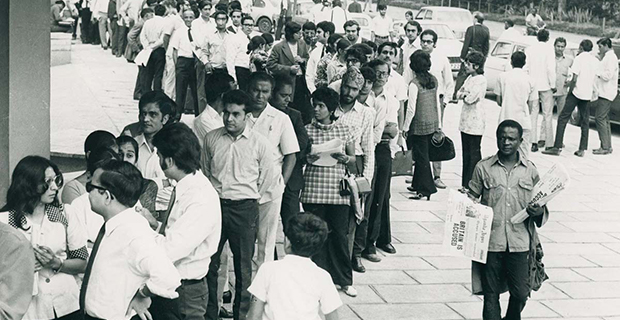
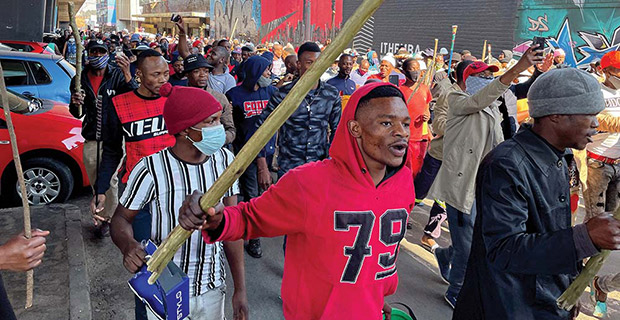
The July 2021 unrest primarily affected the provinces of KwaZulu-Natal (KZN) and Gauteng, South Africa’s main economic hub. Indian origin people bore the brunt of the unrest.
South Africa: Redress That Breeds Resentment
South Africa presents a more institutionalised form of backlash. Policies framed as corrective justice have, in practice, sidelined Indian-origin professionals in employment and enterprise. What is described as transformation is often experienced as exclusion.
In Durban and surrounding areas, tensions erupted into violence in 2023–24. Riots targeted Indian-owned businesses. Economic grievance found an ethnic address. South Africa’s Indian community traces its origins to indentured labourers brought to Natal in the late nineteenth century. Initially tolerated as workers and traders, successive generations moving into professional and entrepreneurial roles unsettled older racial hierarchies.
Prof. Brij Maharaj of the University of KwaZulu-Natal notes that once Indian communities cross a threshold of visibility, they are often recast as competitors—making visibility itself a trigger.
Uganda: History That Refused to Stay Buried
Uganda is often remembered for one date: 1972. Idi Amin. Ninety days. Indians out. The justification was blunt—Indians were doing too well.
But history did not end there. In 2007, protests over the proposed privatisation of the Mabira Forest escalated into anti-Indian riots. Indian-owned shops were attacked. Asians were singled out. The language echoed older accusations: outsider privilege, excessive influence, economic exploitation.
Although Ugandan Indians were not indentured, their experience mirrors the logic of post-indenture societies elsewhere. Success without political protection proved dangerously provisional.
Caribbean Fault Lines: The Afterlife of Indenture
In Trinidad and Tobago, race riots in the late 1960s and early 1970s saw mobs attack people of East Indian origin. Homes and businesses were destroyed. In Guyana, the 1980s under Forbes Burnham created an atmosphere of insecurity that pushed many Indian-origin citizens to leave. In Suriname, tensions simmered for decades.
Dubey situates these conflicts firmly within the indenture legacy. Once Indians ceased to be plantation labour and emerged as achievers and political actors, resentment followed. Economic contribution never guaranteed political security.
Related News.
-

September 2026 Healing Beyond Borders
-

September 2026 MARRIAGE BEYOND BORDERS CROSS-BORDER JUSTICE
-

September 2026 Diaspora, Defence And Growth
-

September 2026 President in Romania

EDITOR'S DESK, Sep 2026
 Our cover takes us to Volcanoes National Park, where Rwanda recently hosted the 21st Kwita Izina, its annual Gorilla Naming Ceremony. Twenty-two baby mountain gorillas received their names, but the significance of the occasion went far beyond a celebration of wildlife...
more...
Our cover takes us to Volcanoes National Park, where Rwanda recently hosted the 21st Kwita Izina, its annual Gorilla Naming Ceremony. Twenty-two baby mountain gorillas received their names, but the significance of the occasion went far beyond a celebration of wildlife...
more...
Ads Spot


Comments.