

Diaspora Under Siege Rising Hostility
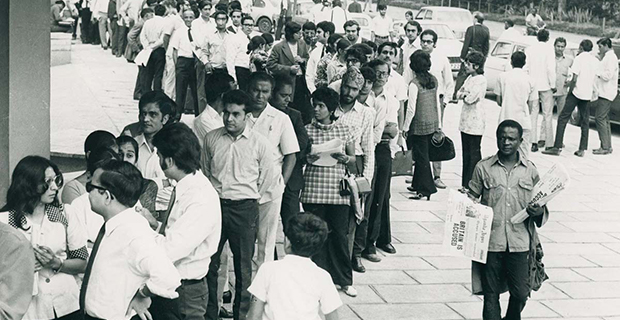
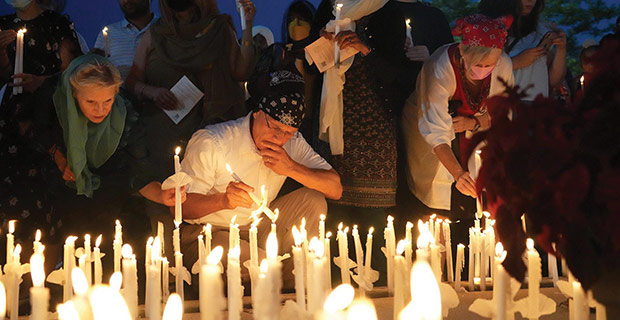
A decade after a white supremacist murdered Sikh worshippers at the Sikh Temple of Wisconsin, the community mourns its dead while warning that hate-fuelled violence remains unchecked
The West: From Admiration to Vilification
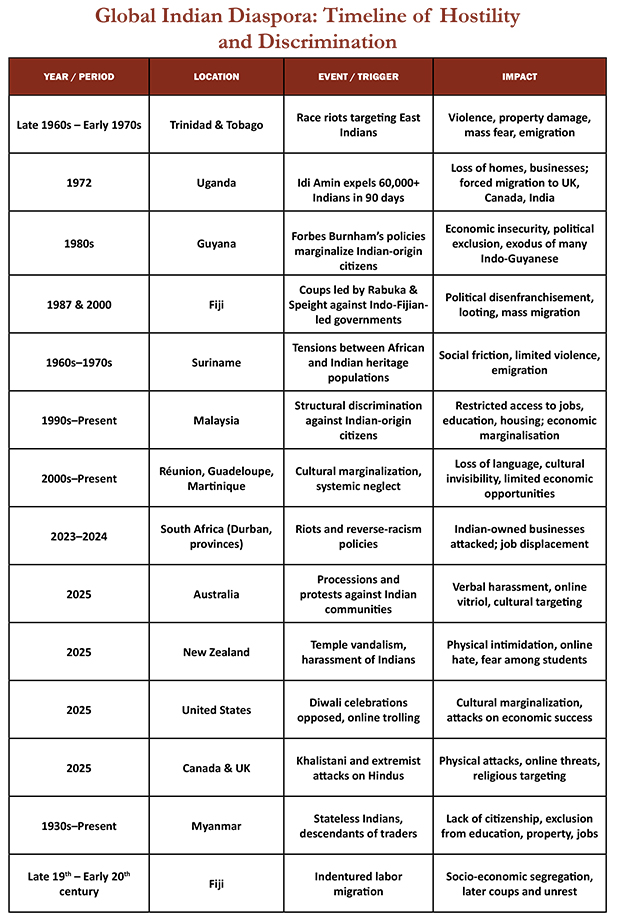
In the United States, opposition to Diwali celebrations, vandalism of temples, and online hostility reflect broader anxieties about immigration and influence. In Canada and the United Kingdom, extremist Khalistani groups repeatedly target Hindu temples. Maharaj warns that hostility today spreads faster through social media and political rhetoric, particularly in a post-COVID climate where attacks on ethnic minorities are rising.
Invoking historian Hugh Tinker, he revisits an uncomfortable question: do Indians “create their own difficulties” by remaining separate, or are they scapegoats for states seeking alibis for poor national performance?
Former Secretary of the Ministry of Overseas Indian Affairs Dr A Didar Singh finds the current trajectory deeply troubling. Indian workers, he notes, were once regarded as among the most reliable and least threatening across host societies. Their very success may now be breeding discomfort. Long-term security for diaspora communities, Singh argues, cannot rest on economic contribution alone; it must be reinforced through political participation and institutional voice in the countries they now call home.
No Longer Background Noise
At what point does repetition become evidence? When hostility follows Indian communities from the Caribbean to the Pacific, from Africa to North America, from coups to campuses, it can no longer be dismissed as coincidence.
From indentured labourers once tolerated for obedience to global professionals resented for influence, the diaspora’s journey reveals an uncomfortable continuity. As Ramsaran, Dubey, and Maharaj all warn in different ways, disregarding these signals is no longer an option.
The Indian diaspora today is influential, educated, and economically consequential. And that is increasingly the problem. Acceptance abroad remains conditional, and success often provokes anxiety rather than admiration.
For India Empire readers, the message is clear: diaspora diplomacy cannot rely on rhetoric alone. In that context, queries sent to the Diaspora Engagement Division of the Ministry of External Affairs for its perspective did not receive a response by the time of publication. Protecting the diaspora must be strategic, anticipatory, and coordinated—across embassies, trade policy, legal advocacy, and cultural engagement. History shows the cost of treating warnings as background noise.
The question now is whether India is prepared to act decisively.
Related News.
-

September 2026 Healing Beyond Borders
-

September 2026 MARRIAGE BEYOND BORDERS CROSS-BORDER JUSTICE
-

September 2026 Diaspora, Defence And Growth
-

September 2026 President in Romania

EDITOR'S DESK, Sep 2026
 Our cover takes us to Volcanoes National Park, where Rwanda recently hosted the 21st Kwita Izina, its annual Gorilla Naming Ceremony. Twenty-two baby mountain gorillas received their names, but the significance of the occasion went far beyond a celebration of wildlife...
more...
Our cover takes us to Volcanoes National Park, where Rwanda recently hosted the 21st Kwita Izina, its annual Gorilla Naming Ceremony. Twenty-two baby mountain gorillas received their names, but the significance of the occasion went far beyond a celebration of wildlife...
more...
Ads Spot


Comments.